Talented Artists In Modern Music
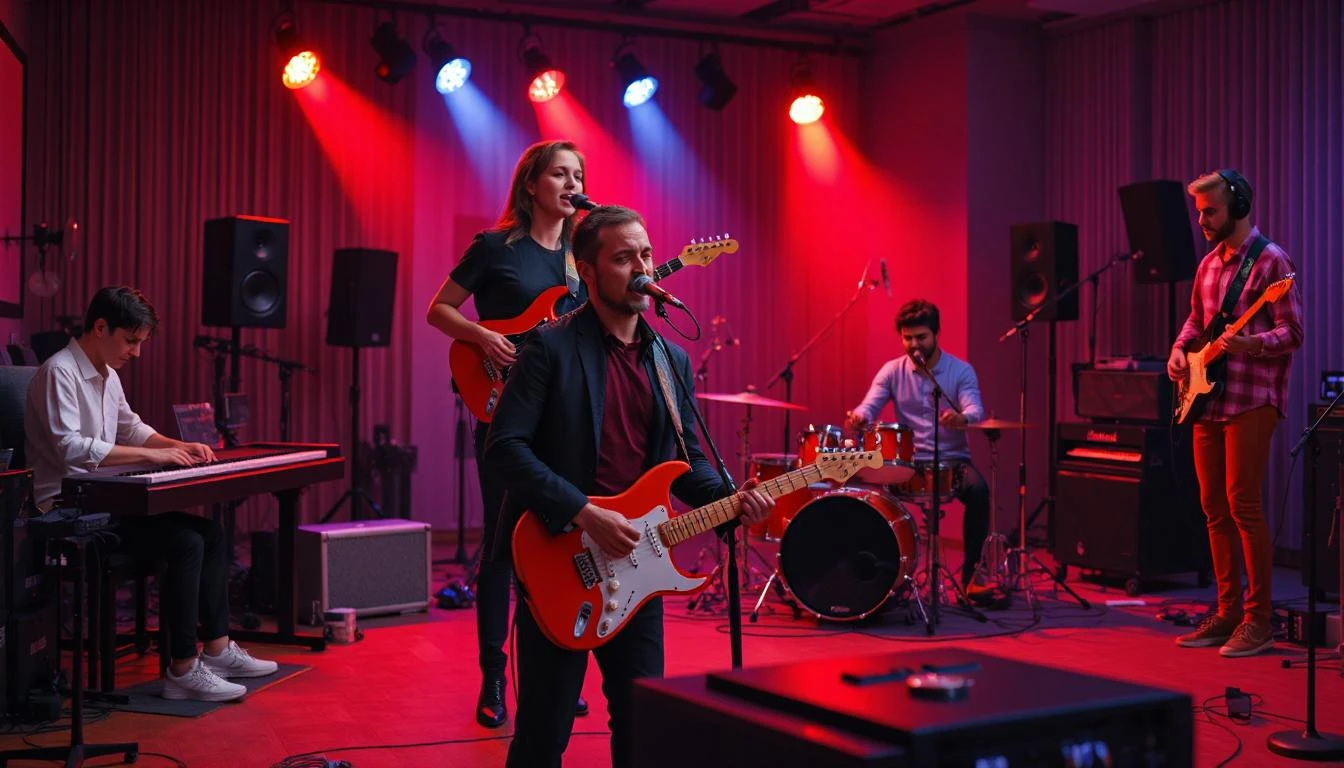
Music today feels more alive, unpredictable, and emotionally connected than ever before. One viral performance can change an unknown singer into a worldwide sensation overnight, while one deeply personal lyric can unite millions of listeners across different countries and cultures. Modern audiences are no longer satisfied with repetitive sounds or manufactured personas. People want honesty, originality, and artists who dare to push boundaries in ways that feel authentic and unforgettable.
In the middle of this fast-moving entertainment era, talented artists modern music continues to dominate conversations across streaming platforms, social media, digital communities, and global charts. The modern music industry is no longer controlled entirely by major labels because listeners now discover songs through playlists, short videos, livestreams, and online recommendations. This shift has completely transformed how artists build careers, influence culture, and connect with fans on a deeply emotional level.
Evolution Of Modern Music Artists
The music industry has evolved into a space where creativity moves faster than traditional trends can keep up. Artists today are expected to be more than performers because audiences now look for storytellers, innovators, and personalities who can create emotional experiences beyond the music itself. That transformation is exactly why modern musicians are becoming more influential across entertainment, fashion, technology, and even digital culture.
At the same time, many rising music artists are proving that success no longer depends entirely on radio stations or massive record deals. Independent creators are now building loyal audiences through social platforms, streaming services, and direct fan interaction. This new era gives talented musicians the freedom to experiment with sounds, visuals, and storytelling in ways that were almost impossible just a decade ago.
Changing Styles In The Music Industry
Music styles are constantly blending together in today’s entertainment landscape. Pop mixes with hip-hop, electronic sounds merge with indie influences, and regional genres like Afrobeat, Latin music, and K-pop continue expanding globally. This genre fusion creates a fresh listening experience that feels exciting for modern audiences who crave something different from repetitive mainstream formulas.
Listeners are also becoming more emotionally selective. They want songs that feel personal, relatable, and immersive rather than overly polished. Because of this, artists who embrace vulnerability and originality often stand out more than performers who simply follow industry trends. Music critic Bob Lefsetz once explained that “authenticity now spreads faster than marketing, and that statement perfectly reflects the current digital music environment where emotional honesty creates stronger audience loyalty.”
Influence Of Digital Platforms On Artists
Digital platforms completely changed how music reaches people around the world. Artists no longer need to rely only on television appearances or radio exposure because platforms like TikTok, Spotify, YouTube, and Instagram now shape global music discovery every single day.
One short video clip can suddenly turn an unknown track into a worldwide trend. That level of exposure creates massive opportunities for modern musicians, especially younger creators who understand online culture and audience behavior. Streaming algorithms also influence listening habits by constantly introducing audiences to new artists based on preferences and engagement patterns. This transformation has also changed how musicians approach creativity. Many artists now think visually, emotionally, and interactively when producing songs because audiences consume music alongside visuals, storytelling, and digital experiences.
Rise Of Independent Musicians Worldwide
Independent musicians are becoming one of the most powerful forces in modern entertainment. Affordable recording software, home studios, and online distribution channels allow creators to produce high-quality music without depending entirely on major labels.
This independence gives artists greater creative freedom. They can experiment with unconventional sounds, release music on their own schedule, and connect directly with listeners without heavy corporate control. As a result, audiences often feel a stronger emotional bond with independent musicians because their content feels more genuine and less manufactured. Many global listeners are now actively searching for underground talent and emerging performers before they become mainstream. That curiosity continues pushing independent music culture into a stronger and more influential position worldwide.
Characteristics Of Talented Modern Artists
Not every successful musician leaves a lasting impact. Some songs become temporary trends, but truly talented artists create emotional memories that audiences continue revisiting for years. Modern listeners are becoming more selective, which means artists need more than technical skill alone to stand out in today’s competitive entertainment landscape.
What makes modern musicians fascinating is their ability to balance creativity, personality, and audience connection simultaneously. The most influential performers understand how to make listeners feel understood while still delivering something innovative and fresh.
Unique Vocal And Musical Abilities
Exceptional artists usually have a recognizable identity that separates them from everyone else. Sometimes it comes from a unique vocal tone, while other times it comes from unusual production choices or emotionally intense performances.
Modern audiences appreciate artists who sound distinctive instead of overly perfected. Raw emotion, vocal texture, and expressive delivery often create stronger impact than flawless technical precision. This explains why many listeners become attached to performers whose voices instantly trigger emotion or nostalgia. The rise of experimental production also allows musicians to create entirely new soundscapes. Cinematic instrumentals, layered harmonies, and genre-crossing compositions are now helping artists develop memorable identities in a crowded industry.
Creativity In Songwriting And Production
Songwriting remains one of the strongest indicators of artistic depth. The most respected musicians know how to transform personal experiences, heartbreak, ambition, social issues, or cultural identity into lyrics that resonate universally.
Today’s production techniques also push creativity further than ever before. Artists now combine traditional instruments with AI-assisted mastering, atmospheric effects, and cinematic transitions to create immersive listening experiences. This constant innovation keeps modern music dynamic and unpredictable. Producer Rick Rubin once stated that “audiences connect most deeply with art that feels honest rather than calculated.” That idea continues shaping modern songwriting because listeners can quickly recognize when music feels emotionally real versus commercially forced.
Strong Connection With Audiences
One of the biggest strengths modern artists possess is their ability to create emotional closeness with fans. Audiences today do not only support music. They support personalities, stories, struggles, and authenticity. Livestreams, behind-the-scenes content, fan interactions, and social media conversations help musicians build loyal communities instead of passive audiences. Fans feel personally involved in an artist’s journey, which creates stronger long-term support.
This emotional relationship also influences career longevity. Artists who maintain genuine audience connections often survive industry shifts more effectively because fans remain emotionally invested beyond temporary trends or chart success.
Impact Of Artists On Modern Music Culture
Modern musicians influence far more than playlists or streaming charts. Their presence shapes fashion trends, internet culture, language, identity, and even social conversations happening globally. Music has become deeply connected with everyday digital life, making artists some of the most influential cultural figures of this generation.
That cultural impact continues expanding because audiences consume entertainment constantly through smartphones, streaming services, and social media platforms. The relationship between artists and fans now feels more immediate, personal, and interactive than ever before.
Global Influence Through Social Media
Social media transformed artists into worldwide cultural influencers almost instantly. Musicians can now communicate directly with millions of fans without relying entirely on traditional media channels. A single performance clip, interview, or viral trend can spark global conversations within hours. This level of visibility allows artists from different countries and backgrounds to gain international recognition faster than previous generations ever could.
Social media also gives artists a platform to discuss mental health, diversity, creativity, and important social issues. Many younger audiences appreciate musicians who use their influence to create meaningful conversations beyond entertainment alone.
Collaborations Across Music Genres
Cross-genre collaborations are now one of the most exciting parts of modern music culture. Artists from completely different musical backgrounds continue creating unexpected combinations that attract wider audiences worldwide. Pop singers collaborate with rappers, electronic producers work with orchestras, and Latin or Afrobeat musicians increasingly dominate international charts through global partnerships. These collaborations introduce listeners to unfamiliar sounds while helping artists expand creatively.
This openness to experimentation reflects how modern audiences value diversity and innovation more than rigid genre boundaries. People are now more willing to explore unfamiliar music styles if the collaboration feels authentic and emotionally engaging.
Inspiring Future Generations Of Musicians
Modern artists inspire younger creators to pursue music with greater confidence and independence. Aspiring musicians can now learn production, songwriting, and marketing online without waiting for traditional industry opportunities.
This accessibility creates a more diverse entertainment landscape where talented creators from smaller communities or unconventional backgrounds can still reach global audiences. Younger musicians are becoming more fearless about experimenting because they see modern artists succeeding through originality instead of imitation. That influence continues shaping the future of entertainment itself. The next generation of musicians will likely become even more innovative, digitally connected, and culturally diverse as technology keeps expanding creative possibilities.
Explore The Most Talented Artists In Modern Music
The modern music industry continues evolving at an incredible pace, constantly introducing artists who redefine creativity, storytelling, and emotional connection. Some musicians dominate through powerful vocals, while others leave lasting impact through fearless experimentation and deeply personal songwriting. What makes today’s entertainment landscape exciting is the unpredictability of where the next groundbreaking artist might emerge.
As you explore modern music more deeply, you may notice that the most memorable performers are often the ones who challenge expectations instead of following formulas. They create experiences that feel human, emotional, and culturally relevant in ways that stay with listeners long after the song ends. That is exactly why modern audiences continue searching for artists who feel authentic rather than manufactured.