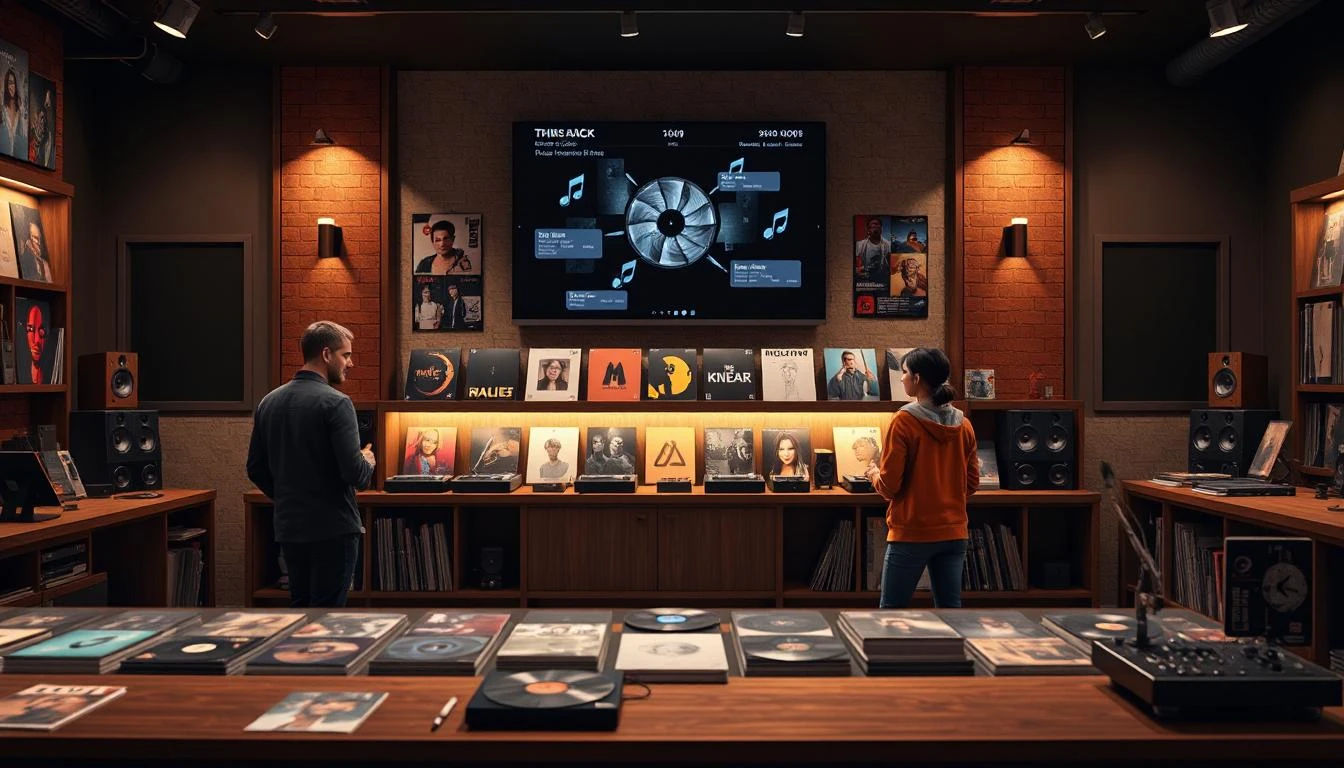
Best Music Playlist Ideas Today

Music has become more than entertainment in modern life. A single playlist can completely transform a boring commute, improve concentration during study sessions, or create a calming atmosphere after a stressful day. That is why playlists today are no longer just collections of random songs. They are emotional experiences carefully arranged to match moods, activities, and even personal identity. The rise of streaming culture has also changed how listeners discover tracks, making curated playlists feel more valuable than ever.
Finding the best music playlist ideas is now part of how people shape daily routines and emotional moments. From relaxing evening sessions to energetic workout mixes, listeners are searching for playlists that feel immersive, personal, and fresh. Music trends continue evolving rapidly, and playlists that combine emotional flow, smart song selection, and balanced genres are becoming increasingly popular across global entertainment platforms.
Creating The Perfect Music Playlist
Creating a playlist that people genuinely enjoy is not as simple as adding favorite songs into one folder. The best playlists usually tell a story, guide emotions naturally, and make listeners stay until the final track. This is where thoughtful song arrangement and emotional pacing become incredibly important.
Many listeners today are also searching for trending playlist recommendations that feel authentic instead of repetitive. Audiences want playlists that match real-life situations, whether for late-night relaxation, productivity sessions, or road trips with friends. According to music psychologist Daniel Levitin, the human brain naturally reacts to musical patterns and emotional transitions, which explains why certain playlists feel addictive while others are quickly forgotten. A well-crafted playlist should feel effortless while still being intentional underneath. The balance between familiar songs and unexpected discoveries often creates the strongest listening experience because it keeps listeners emotionally engaged from beginning to end.
Choosing Songs Based On Mood And Activity
Every great playlist starts with one simple question: what feeling should the listener experience? Mood-based playlists are incredibly effective because music strongly influences emotions, focus, and energy levels throughout the day. For example, calming playlists usually feature mellow acoustic tracks, ambient sounds, or soft piano instrumentals. Meanwhile, workout playlists benefit from fast BPM songs, energetic beats, and motivational lyrics that maintain momentum during exercise.
Long-tail searches such as best music playlist ideas for studying at night or high-energy workout songs for motivation continue growing because listeners increasingly prefer highly specific playlists designed around activities and emotional needs.
Balancing Different Music Genres
One of the biggest mistakes in playlist creation is relying too heavily on a single genre. While consistency matters, diversity keeps playlists interesting and emotionally dynamic. Mixing genres carefully can create smoother listening experiences. Indie pop can transition naturally into soft electronic music, while classic R&B often blends beautifully with modern soul tracks. These subtle shifts prevent playlists from feeling repetitive without destroying the overall atmosphere.
Modern listeners also enjoy genre experimentation more than ever before. Streaming audiences are becoming increasingly open to hybrid sounds, nostalgic influences, and unconventional combinations that feel fresh yet familiar.
Organizing Playlists For Better Listening
Playlist structure can completely change how songs are perceived. Strong opening tracks immediately capture attention, while slower transitions later in the playlist help maintain emotional flow.
Many successful playlists follow a natural rhythm. They begin with engaging songs, gradually build momentum, peak emotionally, and then finish with calmer or reflective tracks. This sequencing approach makes playlists feel cinematic instead of random.
Music producer Rick Rubin once explained that “listeners connect most deeply with music when emotional continuity feels natural rather than forced.” That principle is especially important when organizing playlists designed for long listening sessions.
Playlist Ideas For Everyday Activities
Daily routines often become more enjoyable with the right soundtrack. Music influences productivity, emotional balance, motivation, and even memory, which is why personalized playlists have become essential for many listeners worldwide.
The growing popularity of curated playlists also reflects how people now use music intentionally throughout the day. Instead of simply pressing shuffle, listeners want collections that match specific situations and emotional states in meaningful ways.
Relaxing Playlists For Stress Relief
Relaxation playlists continue dominating streaming trends because modern lifestyles are becoming increasingly fast-paced and mentally exhausting. Soft instrumental music, ambient electronic sounds, and acoustic melodies are commonly used to create calming atmospheres.
Many listeners now combine relaxing playlists with meditation, journaling, or nighttime routines. Slow-tempo tracks with atmospheric textures can help reduce overstimulation and encourage emotional recovery after busy days. Search trends related to calming music have also expanded significantly, especially among younger listeners looking for emotional comfort and mental clarity through music.
Workout And Motivation Music Selections
Workout playlists are designed to increase energy and sustain motivation during physical activity. Songs with strong rhythms, aggressive beats, and uplifting lyrics can significantly improve workout intensity and endurance.
The most effective fitness playlists usually include a combination of electronic dance music, energetic hip-hop, motivational pop, and fast-paced rock tracks. Gradual tempo increases also help maintain adrenaline and prevent energy drops during longer exercise sessions.
Listeners searching for motivation-driven playlists often prioritize consistency in rhythm because abrupt mood changes can interrupt workout focus and momentum.
Study And Productivity Focused Playlists
Study playlists require a completely different atmosphere compared to workout or party mixes. Instrumental music tends to work best because it minimizes lyrical distractions while maintaining mental stimulation.
Lo-fi beats remain one of the strongest global entertainment trends for productivity-focused listening. Their repetitive patterns and mellow tones create a stable background environment that supports concentration without becoming overwhelming. Classical music, cinematic instrumentals, and ambient electronic tracks are also increasingly popular among students and remote workers who want deeper focus during long study or work sessions.
Tips For Discovering New Music
Finding fresh music can feel overwhelming because thousands of new tracks are released every single day. However, discovering unique artists and hidden songs often becomes one of the most exciting parts of playlist creation.
Listeners who consistently explore new sounds usually build playlists that feel more original, emotionally layered, and memorable compared to generic mainstream collections.
Exploring Trending Songs And Artists
Trending artists often shape modern playlist culture. Viral songs from social media platforms and streaming charts can quickly become global sensations, influencing playlist trends almost instantly.
Streaming services like Spotify and Apple Music continuously highlight emerging artists and fast-rising tracks, making it easier for listeners to stay updated with current music trends.
At the same time, independent artists are gaining more visibility through curated playlists and algorithm-driven discovery systems, creating more opportunities for listeners to uncover underrated music.
Using Streaming Recommendations Effectively
Many listeners underestimate how powerful recommendation algorithms have become. Saving songs, liking albums, and following favorite artists help streaming platforms deliver more accurate music suggestions over time.
Collaborative playlists can also introduce listeners to genres and artists outside their usual preferences. This method often creates more diverse playlists filled with unexpected discoveries. Artist radio features are another useful tool because they automatically generate music collections connected to specific sounds, moods, or genres that listeners already enjoy.
Mixing Classic And Modern Tracks
Combining older songs with modern releases creates playlists that feel timeless instead of trend-dependent. Nostalgic tracks often trigger emotional memories, while newer songs keep playlists feeling current and relevant.
Classic rock, vintage R&B, old-school hip-hop, and retro pop frequently blend well with modern electronic music, contemporary indie tracks, and current chart hits. This balance creates richer listening experiences for audiences of different generations. Playlists that combine nostalgia and modern trends also tend to feel more emotionally dynamic because they connect listeners with both familiarity and discovery at the same time.
Build The Best Music Playlist For Every Moment
The most memorable playlists are not necessarily the ones filled with the biggest hits. They are the playlists that create emotional connection, fit specific moments perfectly, and feel personal to the listener. Music has the power to shape memories, influence mood, and completely transform ordinary experiences into something unforgettable.
Whether you are building playlists for studying, relaxing, exercising, traveling, or simply escaping daily stress for a while, the key is creating a smooth emotional journey rather than focusing only on popular songs. Carefully selected tracks, balanced genres, and intentional pacing will always make playlists feel more immersive and meaningful.