Trending Music Album Highlights

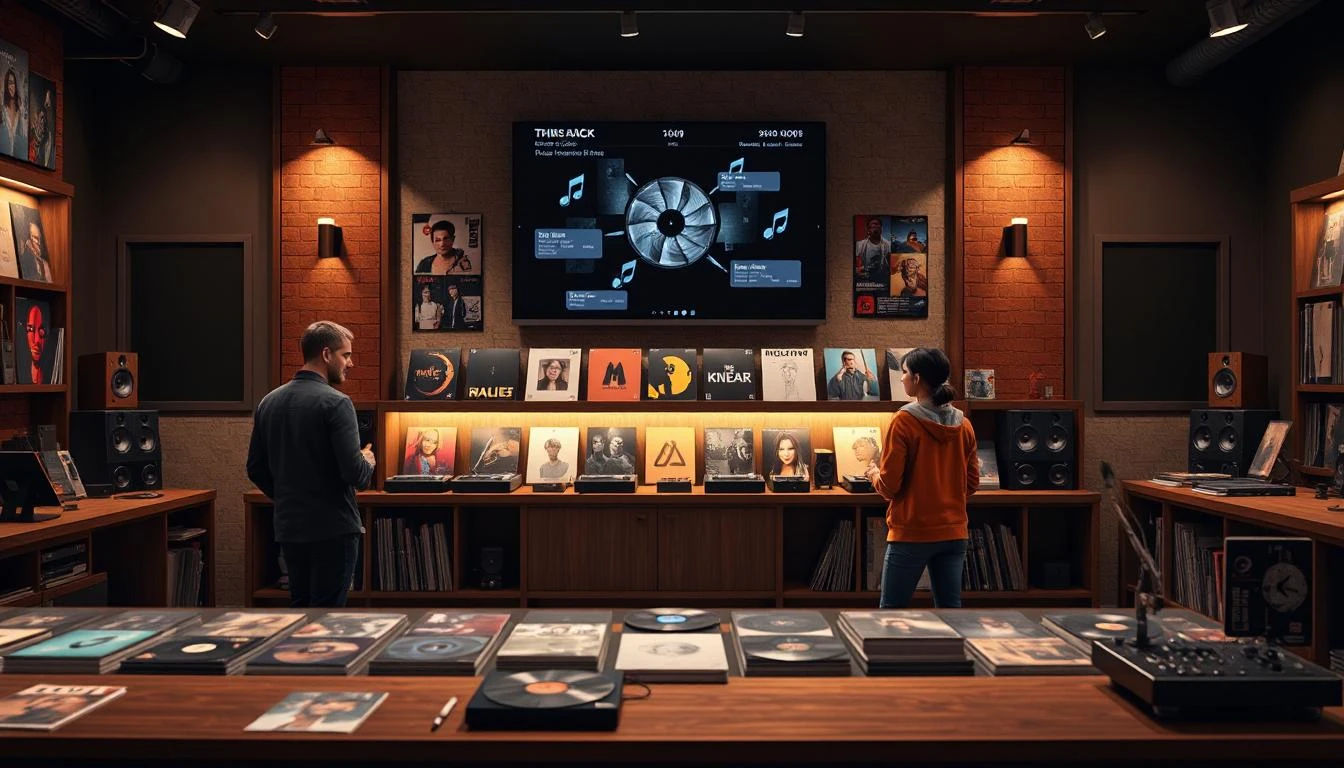
Music albums are no longer just collections of songs placed into one playlist. They have become cultural moments that shape conversations, dominate social media feeds, inspire fashion trends, and even influence how people express emotions online. A single release can suddenly turn an unknown artist into a global phenomenon overnight, while fans across different countries dissect lyrics, visuals, and hidden meanings together in real time. That shift is exactly why modern album trends feel far more immersive and emotionally charged than they did a decade ago.
The rise of trending music album highlights shows how listeners today crave more than catchy melodies. Audiences now search for storytelling, artistic identity, emotional depth, and memorable production that can survive beyond short-lived internet hype. From viral midnight releases to cinematic concept albums, the music industry continues evolving into a space where creativity and digital culture collide faster than ever before.
Overview Of Trending Music Albums
The modern music landscape moves incredibly fast, yet only certain albums manage to stay relevant long after release day. Some records dominate because of emotional storytelling, while others explode through social media trends, streaming algorithms, or unexpected collaborations. This constantly changing ecosystem makes music discovery feel more exciting, unpredictable, and globally connected than ever before.
Listeners today are also becoming more selective about what they stream repeatedly. Instead of focusing only on singles, audiences increasingly pay attention to cohesive albums that create complete listening experiences from beginning to end. That growing preference explains why many artists now invest heavily in visual identity, thematic storytelling, and audience engagement before an album even launches. The conversation surrounding best new music albums often begins weeks before release through teaser campaigns, hidden track previews, and fan speculation online. Streaming platforms, music forums, and short-video content all contribute to shaping which albums eventually dominate charts worldwide.
How albums gain popularity worldwide
Albums now gain worldwide popularity through a combination of digital exposure, fan interaction, and algorithm-driven discovery. Viral clips on social media platforms can instantly push songs into global trends, especially when listeners begin creating reactions, edits, dance challenges, or lyric discussions around specific tracks.
International accessibility has also changed the industry dramatically. Music fans are more willing than ever to explore albums outside their native language, particularly within pop, hip hop, Latin, K-pop, Afrobeats, and electronic genres. This shift allows artists from different cultures to build massive international audiences without relying entirely on traditional radio promotion. Music producer :contentReference[oaicite:0]{index=0} once explained that “audiences naturally connect with music that feels emotionally honest rather than manufactured purely for commercial success.” That perspective continues to shape how modern albums resonate globally today.
Influence of streaming platforms on trends
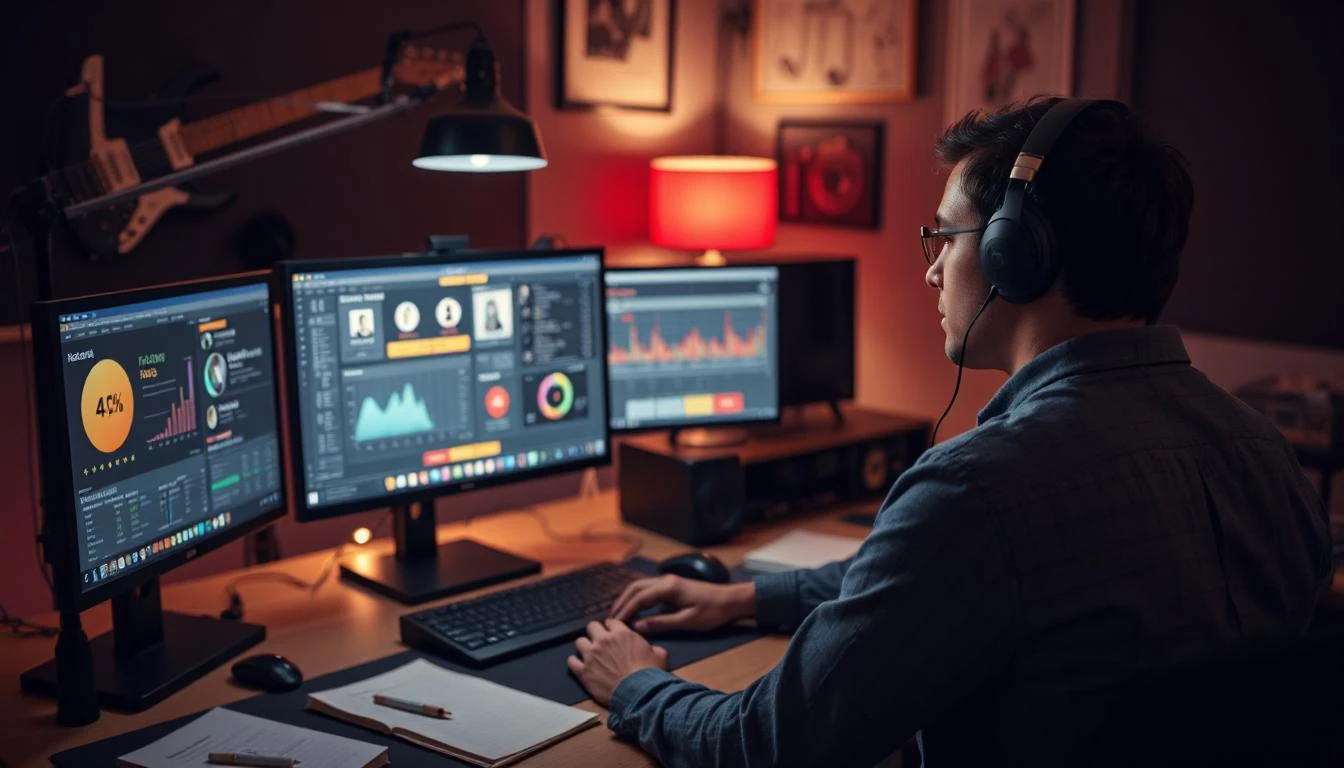
Streaming platforms have become one of the strongest forces behind music trends worldwide. Personalized recommendations, curated playlists, autoplay systems, and viral playlists often determine whether an album reaches millions of listeners or quietly disappears within days.
Platforms such as :contentReference[oaicite:1]{index=1} and :contentReference[oaicite:2]{index=2} constantly analyze listener behavior, replay value, and engagement patterns to recommend albums that fit current listening habits. Because of that system, artists now design releases strategically to maximize listener retention from the first track onward. Many trending albums are also structured specifically for streaming culture. Shorter intros, stronger hooks, replay-friendly choruses, and emotionally impactful transitions help albums perform better in algorithm-driven environments where attention spans continue shrinking.
Importance of album concepts and themes
Album concepts and themes have become increasingly important because listeners want experiences that feel immersive and emotionally connected. A cohesive narrative often makes an album more memorable than a random collection of disconnected songs.
Themes surrounding identity, heartbreak, ambition, isolation, fame, relationships, and personal growth continue dominating modern music because they reflect experiences audiences genuinely relate to. When artists successfully combine lyrical depth with strong production and visual storytelling, albums often gain longer cultural relevance. Critics and industry observers frequently note that thematic consistency helps fans emotionally invest in albums more deeply. That emotional investment is one reason many listeners revisit impactful albums repeatedly months after release.
Key Highlights In Modern Music Albums
Successful modern albums rarely rely on luck alone. Behind every major release, there is usually a carefully crafted balance between production quality, emotional storytelling, branding, and audience engagement. The albums that consistently dominate charts are often the ones capable of creating both immediate excitement and long-term replay value.
As listeners become more exposed to endless music options daily, artists face increasing pressure to create projects that feel distinctive from the very first track. That challenge has pushed musicians and producers to experiment with stronger intros, cinematic production styles, and visually memorable branding strategies. The discussion around best new music albums often focuses not only on sound quality, but also on how effectively artists build emotional connections through visuals, storytelling, and collaborative creativity.
Strong opening and hit tracks
Opening tracks now play a massive role in determining whether listeners continue exploring an album. A powerful introduction immediately shapes first impressions and establishes the emotional atmosphere of the project.
Many trending albums begin with cinematic intros, dramatic beat transitions, or emotionally vulnerable lyrics designed to grab attention instantly. These opening moments are especially important in streaming culture, where listeners can skip songs within seconds if the energy feels weak. Hit tracks also act as gateways for wider audiences. Once a single song gains traction online, listeners often become curious enough to explore the rest of the album and uncover deeper storytelling hidden beneath the mainstream success.
Collaboration between artists and producers
Collaborations between artists and producers continue shaping modern music trends in fascinating ways. Genre-crossing partnerships often create fresh sonic experiences that attract audiences from multiple music communities simultaneously.
Pop singers collaborating with electronic producers, rappers experimenting with indie influences, or global artists blending regional sounds all contribute to the increasingly diverse character of modern albums. These collaborations help projects feel innovative rather than repetitive. Music executive :contentReference[oaicite:3]{index=3} once emphasized that “great music happens when creativity and authenticity meet without limitations.” That mindset remains highly visible in today’s most influential collaborative albums.
Visual branding and album identity
Visual branding has become almost as important as the music itself. Album covers, teaser trailers, music videos, typography, stage visuals, and artist styling all shape how audiences emotionally perceive an album before even hearing the full project.
Distinctive visual identity helps albums stand out in crowded streaming libraries and social feeds. Some artists use nostalgic aesthetics, while others embrace futuristic visuals, minimalist photography, or cinematic storytelling to strengthen album recognition. Fans today often analyze visual symbolism as deeply as lyrical meaning. That level of audience engagement transforms modern albums into complete multimedia experiences rather than simple audio releases.
Genres Dominating Album Trends
Music trends constantly evolve, but certain genres consistently dominate global streaming charts because they adapt quickly to changing audience behavior. Each genre brings its own emotional atmosphere, cultural influence, and production style that shapes how listeners engage with modern albums.
At the same time, genre boundaries are becoming increasingly blurred. Artists now experiment more freely with hybrid sounds, creating albums that feel less restricted by traditional industry labels and more connected to emotional storytelling. The popularity of best new music albums today often comes from their ability to combine familiar elements with unexpected creative risks that surprise listeners.
Pop and mainstream music releases
Pop music remains one of the strongest forces in global entertainment because of its broad accessibility and emotional relatability. Mainstream albums often combine catchy melodies, polished production, and universal themes that resonate across different age groups and cultures.
Modern pop releases also borrow heavily from electronic music, R&B, hip hop, and indie influences to remain fresh and competitive. This flexibility allows pop albums to evolve continuously alongside changing listener preferences. The success of many mainstream albums now depends heavily on replay value, emotional connection, and viral potential across digital platforms.
Hip hop and electronic music growth
Hip hop continues expanding worldwide through emotionally honest lyricism, experimental production, and genre fusion. Artists within the genre increasingly explore themes surrounding identity, mental pressure, success, vulnerability, and modern social dynamics.
Electronic music has also experienced major growth through festival culture, immersive production techniques, and streaming-friendly sound design. Many electronic albums now blend cinematic atmospheres with emotionally layered storytelling, creating experiences suited for both headphones and live performances. The crossover between hip hop and electronic production has become especially influential in shaping some of today’s most streamed albums globally.
Indie and alternative album popularity
Indie and alternative albums continue attracting listeners searching for authenticity and emotional depth beyond mainstream formulas. These genres often prioritize atmosphere, storytelling, and raw artistic expression over commercial perfection.
Many indie artists gain popularity through niche online communities, word-of-mouth recommendations, and emotionally resonant songwriting that feels deeply personal. That emotional intimacy helps listeners form stronger long-term connections with alternative albums. As streaming culture becomes increasingly saturated, many audiences are now gravitating toward music that feels more human, reflective, and creatively fearless.
Discover The Most Trending Music Albums Today
The global music industry continues evolving faster than ever, but one thing remains consistent: audiences always gravitate toward albums that create emotional impact and memorable experiences. Whether through powerful storytelling, groundbreaking production, or visually immersive branding, modern albums have become much more than background entertainment.
The most influential releases today are often the ones capable of blending authenticity with innovation while still feeling emotionally relatable to listeners worldwide. That balance keeps fans returning to albums repeatedly, discussing hidden meanings online, and sharing recommendations across digital communities long after release week ends.